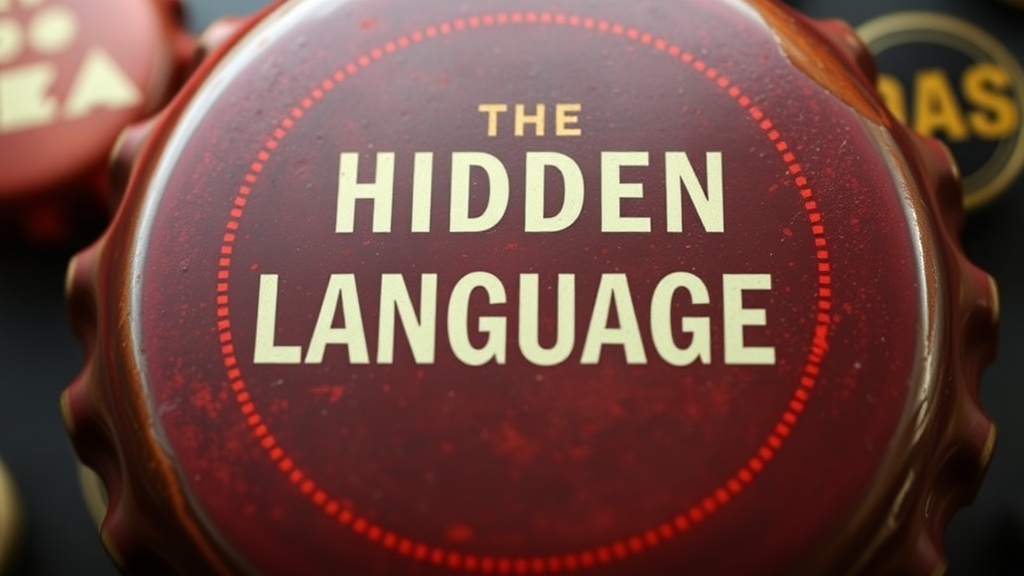
The Hidden Language of Vintage Bottle Cap Symbols

You’re staring at a standard 1970s Coca-Cola crown cap, but instead of just seeing a red circle, you notice a tiny, almost invisible embossed symbol near the edge. To the untrained eye, it's just a manufacturing quirk. To a serious collector, that tiny mark might indicate a specific production run, a regional brewery, or even a change in the metal supplier. This post examines the subtle markings, symbols, and textures found on vintage bottle caps that differentiate a common piece from a rare find.
Understanding these marks helps you identify the age and origin of your collection. It also helps you avoid much-needed headaches when buying at flea markets or online auctions. We're looking at the small stuff—the things most people skip over.
What Do Small Symbols on Bottle Caps Mean?
Small symbols on bottle caps typically denote manufacturing details like the patent number, the specific factory location, or the type of crimping tool used. Often, these aren't meant for the consumer at all; they are purely for industrial tracking.
For example, if you find a cap with a tiny "P" or a specific number, it might refer to a patent held by a company like the Crown Cork and Packaging Company. These markings can change the value of a cap significantly. A standard cap from a major brand is one thing, but a cap with a unique maker's mark can be a centerpiece of a specialized collection.
Here are the three most common types of "hidden" marks you'll encounter:
- Patent Numbers: These identify the specific design era of the cap.
- Manufacturer Logos: Small, embossed icons that identify the company that actually made the metal, not necessarily the beverage company.
- Batch Codes: Tiny, often illegible numbers used for quality control during high-speed production.
It's a bit like looking for a fingerprint. You might not see it at first, but once it's pointed out, it's everywhere. If you're already wondering why some vintage bottle caps look brand new while others rust away, it often comes down to the quality of the metal alloy indicated by these marks.
How Can You Identify a Rare Bottle Cap?
Identifying a rare bottle cap requires looking for deviations from the standard design, such as unique colorways, unusual embossed textures, or specific brand-related symbols. You aren't just looking for "old"; you're looking for "different."
A standard Coke cap is common. A Coke cap with a specific regional variation or a defunct logo is a rarity. One way to track this is by looking at the edge of the cap—the "skirt." The number of teeth or the way the metal is crimped can tell you a lot about the machine that made it. Some collectors even specialize in "error caps," where the printing is slightly off-center or the color is a shade off the standard brand-approved palette.
"The difference between a $1 find and a $50 find is often just a single millimeter of embossed text or a slightly different shade of crimson."
Don't forget to check the underside. While the top is for display, the underside often carries the real data. You might see a stamped date or a manufacturer's code that isn't visible from the top. This is where the real "detective work" happens in the world of caps and smalls.
If you're a beginner, I suggest starting with a magnifying glass. You can't find what you aren't looking for. It’s easy to get caught up in the bright colors of the top, but the real value is often hiding in the shadows of the rim.
Comparison of Common Cap Features
| Feature | Standard/Common | Rare/Collectible |
|---|---|---|
| Embossing | Smooth or simple logo | Complex textures or tiny patent numbers |
| Coloring | Solid, uniform color | Two-tone or era-specific gradients |
| Edge Style | Standard 21-tooth crimp | Unique or irregular crimping patterns |
| Manufacturer Mark | None or generic | Specific factory or patent identifiers |
Why Do Certain Marks Increase Value?
Marks increase value because they provide provenance and proof of scarcity. A collector wants to know that a piece is authentic and part of a specific, limited production run.
Think about it this way: anyone can have a generic vintage cap. But if you can prove that a specific cap was made by a specific factory in a specific year for a specific limited-edition promotion, you've moved from a hobbyist to a specialist. This is especially true in the "smalls" category where many items look identical at a glance. If you're already curious about other types of value, you might want to check out which flea market finds are worth more than their price tag to see how this applies to other items.
The catch? Authenticating these marks can be tough. There's no "official" registry for every single bottle cap ever made. You have to rely on community knowledge and historical records. For instance, researching the Library of Congress digital collections can sometimes yield clues about historical branding and patent-era designs that help verify your finds.
It's also worth noting that some marks are actually "phantom marks." These are imperfections that look like intentional symbols but are actually just wear and tear. A scratch can look like a letter if you aren't careful. Always use a high-quality light source to distinguish between a stamped symbol and a physical scratch.
One thing I've learned over the years: don't over-invest in "potential" rarities. If a mark is hard to see even with a loupe, it might not be a significant marker. Stick to the things you can clearly identify.
A Quick Checklist for Collectors
- Clean the surface: Use a soft brush to remove dust from the rim.
- Check the rim: Look for any tiny text or numbers on the edge.
- Inspect the underside: Check for manufacturer stamps or patent marks.
- Verify the color: Compare it to known brand-standard colors.
- Test the texture: Feel for embossed details that aren't immediately obvious.
When you're handling these items, be gentle. A lot of people make the mistake of scrubbing away the very thing that makes the item valuable. If you're cleaning your collection, make sure you're following proper protocols for keeping metal caps from losing their shine without destroying the patina or the stamped details.
It's a delicate balance. You want the piece to look good, but you don't want to erase its history in the process. If you're dealing with a particularly old or fragile piece, leave it alone. The "dirt" might actually be a part of its story.
The world of small-scale collecting is all about the details. Whether it's a bottle cap, a small coin, or a vintage button, the value is rarely in the obvious. It's in the tiny, etched, and often ignored marks that tell the real story of the object's life.