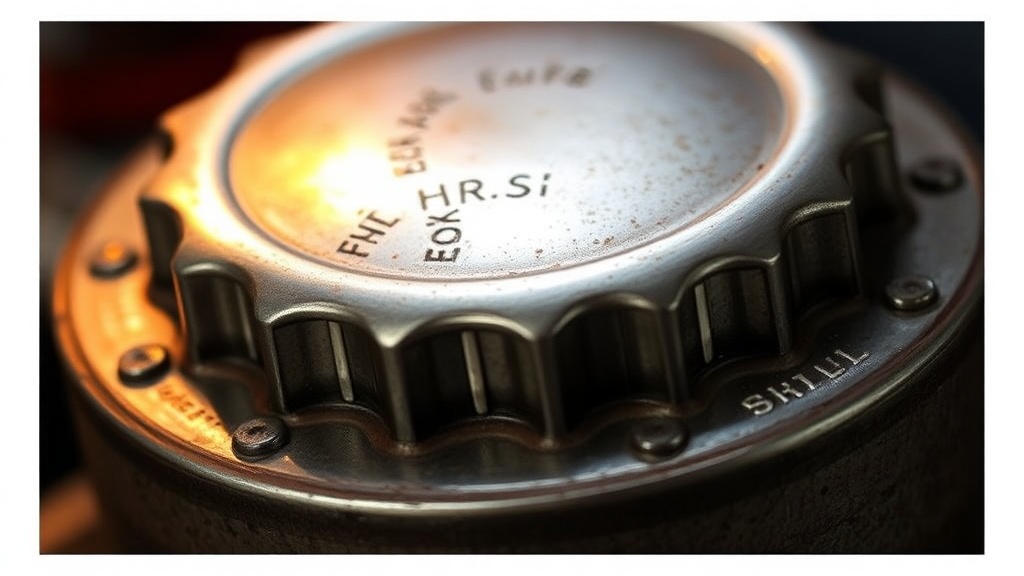
Keep Metal Caps From Losing Their Shine

Quick Tip
Avoid abrasive cleaners; use a dry microfiber cloth and a tiny bit of mineral oil for long-term protection.
A collector opens a long-awaited shipment of vintage metal bottle caps only to find a fine layer of orange oxidation creeping around the edges of a rare find. It's a heartbreak every metal enthusiast knows. This post looks at how to prevent oxidation and maintain the luster of your metal caps and small collectibles through proper storage and cleaning techniques.
Metal is reactive. If you leave your collection exposed to humidity or acidic environments, that shine won't last—no matter how much you love it.
How Do You Prevent Metal Caps From Rusting?
The best way to prevent rust is to control the environment by using silica gel packets and airtight containers. Moisture is the enemy of tin and steel. If you keep your caps in a high-humidity area, the metal will react with the oxygen and water in the air to form iron oxide.
Most collectors use way too much space in their display cases. That's a mistake. You want to minimize the air-to-metal ratio. Here are a few ways to keep things dry:
- Silica Gel Packs: Drop these into your storage bins to soak up stray moisture.
- Airtight Acrylic Boxes: These act as a physical barrier against the elements.
- Microfiber Cloths: Use these to wipe away fingerprints—skin oils can actually cause corrosion over time.
If you're dealing with more delicate items, you might want to check out my previous post on organizing small collectibles without damage to see how to layout your displays safely.
Which Cleaning Methods Are Safe for Vintage Metal?
You should only use non-abrasive, pH-neutral cleaners and avoid harsh chemicals that strip protective coatings. A common mistake is using a heavy-duty metal polish on a vintage cap that has a thin lacquer coating. If you scrub too hard, you'll ruin the value instantly.
Depending on the level of grime, your approach will change. I've put together a quick reference for different levels of "dirty" below:
| Condition Level | Recommended Method | What to Avoid |
|---|---|---|
| Light Dust | Soft-bristle brush or air blower | Water or damp cloths |
| Sticky Residue | Diluted isopropyl alcohol on a cotton swab | Scrubbing pads or steel wool |
| Surface Tarnish | Microfiber cloth with a tiny bit of specialized metal polish | Bleach or acidic cleaners |
It's worth noting that for extremely rare pieces, sometimes doing nothing is the best move. If a cap has a beautiful patina, a "cleaning" might actually decrease its market value. You can learn more about the science of oxidation and how it affects metal via the Wikipedia entry on Oxidation.
Can You Use Vinegar to Clean Metal Caps?
No, you shouldn't use vinegar on most vintage metal caps because the acidity can cause immediate pitting and damage. While vinegar is a popular home remedy for many things, it's too aggressive for thin-gauge metal. It might remove the dirt, but it'll also eat away at the metal itself.
Instead of experimenting with kitchen ingredients, stick to known safe substances. If you're curious about why some items age differently, take a look at why some vintage bottle caps look brand new while others degrade. It usually comes down to the specific metal composition and how it was treated during manufacturing.