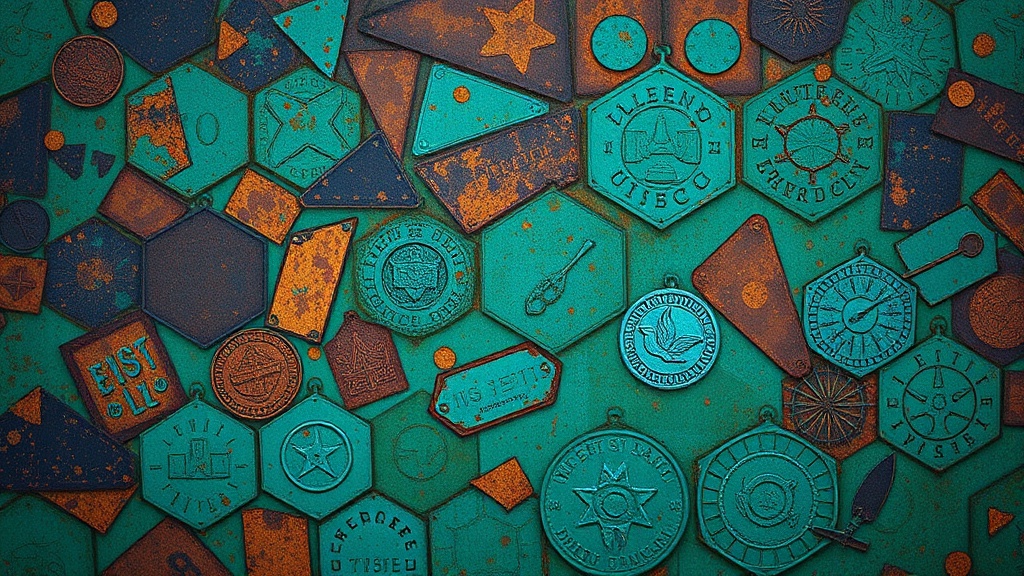
Rare Metal Patinas and Historical Marks to Spot

Oxidized Bronze Variations
Hand-Stamped Manufacturer Marks
Aged Nickel Finishes
Have you ever held a vintage metal cap or a small metal emblem and wondered why the surface looks like it's covered in a thin layer of colored dust or strange crust?
This post breaks down the different types of metal oxidation, patina, and historical markings you'll encounter when collecting small metal goods like cap badges, pins, and metal-bodied bottles. Understanding these surface changes is the difference between spotting a high-value antique and accidentally throwing away a piece of history. We'll look at the science of copper, bronze, and brass, and how to tell the difference between natural aging and damage.
What is the difference between patina and corrosion?
Patina is a stable, intentional, or natural surface layer that protects the metal underneath, while corrosion is an active, destructive process that eats away at the material.
In the world of small collectibles—think vintage brass pins or metal-capped apothecary bottles—patina is often a sign of age and authenticity. It's that deep, rich color that collectors actually want. If you're looking at a bronze badge, a dark brown or even a slight greenish tint (often called verdigris) can prove the item's age. It's a sign that the metal has reacted with oxygen over decades in a controlled way.
Corrosion, on the other hand, is the enemy. If you see bright, powdery white or bright green crust that feels gritty or flaky, that's likely active corrosion. This isn't just "old looking"; it's the metal actually disintegrating. This is especially common in cheap, base-metal alloys that weren't properly plated. If you see this, you might need to look into removing oxidation from vintage metal caps to save the piece before it's too late.
Here is a quick cheat sheet for identifying what you're looking at:
| Appearance | Likely Material | Status |
|---|---|---|
| Deep Brown/Black | Copper or Brass | Stable Patina (Good) |
| Dark Green/Turquoise | Copper/Bronze | Verdigris (Watch closely) |
| White Powdery Crust | Zinc/Aluminum/Tin | Active Corrosion (Bad) |
| Reddish/Orange Flakes | Iron/Steel | Rust (Bad) |
How can you identify authentic historical metal marks?
Authentic historical marks are usually stamped, engraved, or cast directly into the metal, rather than being printed on the surface.
When you're hunting for rare cap badges or small metal tokens, you have to look past the shine. A high-quality piece from the early 20th century won't have a "perfect" finish. It might have a slight irregularity in the strike or a subtle texture from the casting mold. This is where the real value hides. Many collectors make the mistake of thinking a "shiny" item is a "better" item—it's often the opposite.
Look for these specific indicators of quality and age:
- Hallmarks: Small, tiny symbols stamped into the metal. These can indicate the maker or the purity of the metal.
- Die-Struck Details: If the edges of the lettering are crisp and sharp, it was likely a high-pressure die-struck piece.
- Weight Distribution: A heavy, solid feel usually suggests a higher metal content, whereas a hollow or "tinny" feel suggests a cheap reproduction.
- Maker's Marks: Check the reverse side of pins or the underside of caps. Real vintage pieces often have a manufacturer's name or a patent number.
If you find a piece with a patent number, you can often look it up on the USPTO website or historical archives to verify the era. A piece claiming to be from 1910 that has a patent number from 1950 is a dead giveaway of a reproduction.
That said, don't assume every "perfect" looking piece is a fake. Sometimes, a piece was simply well-preserved in a vacuum-sealed environment or a display case. It's all about the context of the metal's surface texture.
Does metal color affect the value of a collectible?
Yes, the color and surface texture of a metal collectible can significantly impact its market value, depending on whether the collector wants a "dead stock" look or a "vintage" look.
This is where the community gets divided. Some collectors, especially those who collect vintage metal-capped bottles or apothecary jars, want the "aged" look. They want the dark, weathered appearance that suggests the item has sat on a shelf for eighty years. If you clean that metal too aggressively, you might actually strip away the very thing that makes it valuable.
However, if you're collecting high-end metal pins or commemorative coins, a "mint" or "uncirculated" look is often the gold standard. A bright, polished finish can sometimes command a higher price if the item was meant to be a display piece. It's a delicate balance. If you're unsure, it's always better to leave it alone. You can always polish a piece later, but you can't put a patina back on once it's gone.
Worth noting is the distinction between "natural" and "forced" aging. There is a huge market for "faux-patina" items in the thrift-store-to-collector pipeline. These are new items that have been chemically treated to look old. You can spot these by looking for a lack of depth in the color—it often looks like a flat paint rather than a structural change to the metal surface.
A few things to watch out for when assessing value:
- The "Green" Factor: A light, thin layer of green on copper is fine. A thick, fuzzy, or crumbly layer of green is a sign of decay.
- The "Scratch" Test: If the "patina" looks like it can be wiped off with a finger, it's probably just dirt or a topical coating, not a true historical oxidation.
- The Weight Factor: High-quality metals like bronze or brass have a specific "heft." If a piece looks like heavy bronze but feels like light plastic or aluminum, the "patina" is likely just a paint job.
If you're worried about how you're storing these items, you might want to look into selecting the right case for your small collectibles to prevent unwanted oxidation from starting in the first place. Airflow and humidity are your two biggest variables here.
Keep an eye on the environment. If you keep your metal collections in a humid basement, you'll see much more aggressive corrosion than if they were in a climate-controlled room in Burlington. The atmosphere is just as important as the metal itself.
One thing to remember: a little bit of "character" is usually a good thing. A perfectly shiny metal cap looks like it came from a modern factory. A slightly weathered, darkened metal badge looks like it has a story to tell. Collectors pay for the story.