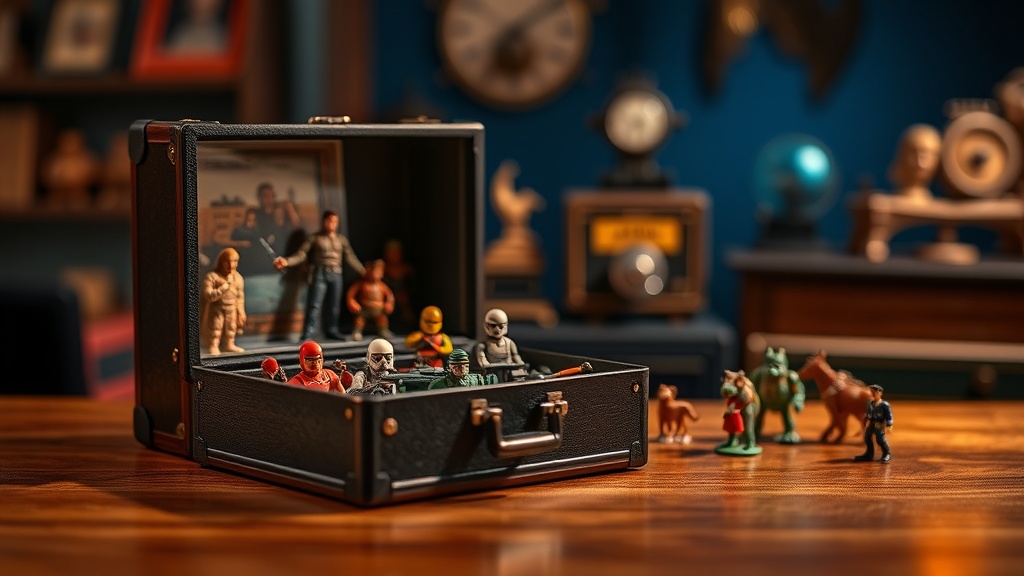
Selecting the Right Case for Your Small Collectibles

A single wayward scratch on a vintage glass bottle or a bent brim on a rare cap can drop a collection's value by half in an instant. This guide explores how to select the right storage solutions for small-scale collectibles like glass bottles, metal caps, and small trinkets. We'll look at material compatibility, environmental control, and physical protection to ensure your items stay in mint condition.
The wrong storage isn't just a matter of organization—it's a matter of preservation. If you've ever opened a box only to find your metal caps covered in a fine layer of rust or your glass bottles smelling of stale plastic, you know the frustration. Protecting these items requires a specific approach based on what they are made of.
How do I store glass bottles safely?
The best way to store glass bottles is to use padded, individual dividers or specialized foam-lined crates to prevent glass-on-glass contact. Glass is heavy and surprisingly brittle when subjected to vibration or impact. If you stack bottles directly on top of one another, the weight of the top bottle can cause micro-fractures in the base of the one below it.
When dealing with high-value glass, avoid cheap plastic bins with thin walls. These often bow under weight, causing the bottles to shift and clink together. Instead, look for heavy-duty, stackable crates. If you're storing a collection of heavy decanters or vintage soda bottles, weight distribution is your biggest enemy.
Consider these three storage methods for glass:
- Egg Crate Dividers: Great for smaller, lightweight bottles or single-serve glass containers.
- Custom Foam Inserts: Best for high-value, fragile items where even a tiny movement is a risk.
- Vertical Crates: Ideal for large-scale collections where you need to see the labels without moving the bottles.
One thing to watch out for is the "shelf life" of the material surrounding your glass. Some low-grade plastics can off-gas over time, leaving a chemical residue on the glass surface. This is particularly common with certain types of cheap polyethylene bins. If you're serious about your glass, stick to inert materials.
What is the best way to prevent metal oxidation?
pPreventing oxidation requires a combination of moisture control and airtight sealing. Metal caps—whether they are vintage tin, brass, or steel—are highly susceptible to humidity and oxygen. Even a slight change in the environment can lead to the dreaded "rust bloom" that ruins a beautiful piece.
I've seen collectors lose entire sets of vintage metal caps because they stored them in a humid basement or a non-airtight plastic bin. The moisture gets trapped, and the metal starts to react. If you've already noticed a bit of discoloration, you might need to look into removing oxidation from vintage metal caps to get them back to a shine.
To keep things stable, use silica gel packets. These little packets are cheap and incredibly effective at absorbing excess moisture from the air inside your display case or storage box. You can find them at most hardware stores or even inside many new electronic products.
| Material Type | Primary Risk | Best Defense |
|---|---|---|
| Tin/Steel Caps | Rust/Oxidation | Silica gel & Airtight seals |
| Brass/Copper | Tarnish/Patina | Microfiber cloth & Micro-crystalline wax |
| Aluminum | Surface Scratches | Soft fabric pouches |
It's also worth noting that direct sunlight is a silent killer. UV rays can degrade the pigments in painted metal caps and even affect the structural integrity of certain plastics. Keep your display away from windows. A dark, cool closet is much better than a sunny windowsill—even if the light looks pretty.
Should I use display cases or storage boxes?
Display cases are best for visibility and social enjoyment, while storage boxes are superior for long-term preservation and space efficiency. This decision depends entirely on how often you want to interact with the collection. If you want to show off your finds, a case is the way to go; if you're a "collector-in-training" with a growing stash, boxes are more practical.
If you choose a display case, the material of the case matters. Many cheap acrylic cases can scratch easily. If you're constantly taking items in and out to show friends, those scratches will eventually make the case look cloudy. This is a bummer when you're trying to showcase a high-end piece. I'd recommend using high-quality glass or UV-resistant acrylic if you're building a permanent display.
For those with larger, less frequently viewed collections, a modular storage system is a smarter move. Think of it like this: the display case is for the "stars" of your collection, while the boxes are for the "bulk." This prevents your most valuable items from being buried under a pile of common finds.
A common mistake is using "shoe boxes" for everything. While they're cheap, they offer zero protection against crushed corners or heavy weight. If you're storing small, heavy items like metal tokens or thick glass-bottomed caps, you need something with structural integrity. A sturdy, archival-grade box is worth the extra few dollars.
When you're choosing a display, remember that light is your friend and your enemy. LED lighting is much safer for your items than old-school incandescent bulbs. Incandescent bulbs produce heat, and heat is a major driver of chemical reactions and physical expansion. If you use LEDs, you're much less likely to see the "warping" or "melting" that can happen with certain plastics or coatings.
If you're looking for more info on the chemical properties of materials, the National Institute of Standards and Technology provides great resources on how different environments affect various substances. It's a deep dive, but it helps you understand why a simple plastic bin might not be enough for your most precious items.
One final thought: don't forget about the "smell" factor. I once saw a collection of vintage caps that had been stored in a cedar chest for years. The cedar scent had actually permeated the metal and the accompanying paper packaging. It's a great reminder that everything is porous. If you're storing things in a way that might transfer scents, you might end up with a collection that smells like a woodshop.
Check your storage once a month. It's a quick habit that saves a lot of money. Open the lid, check for moisture, look for any signs of rust or discoloration, and make sure everything is sitting where it should be. A little bit of vigilance goes a long way in the world of collecting.