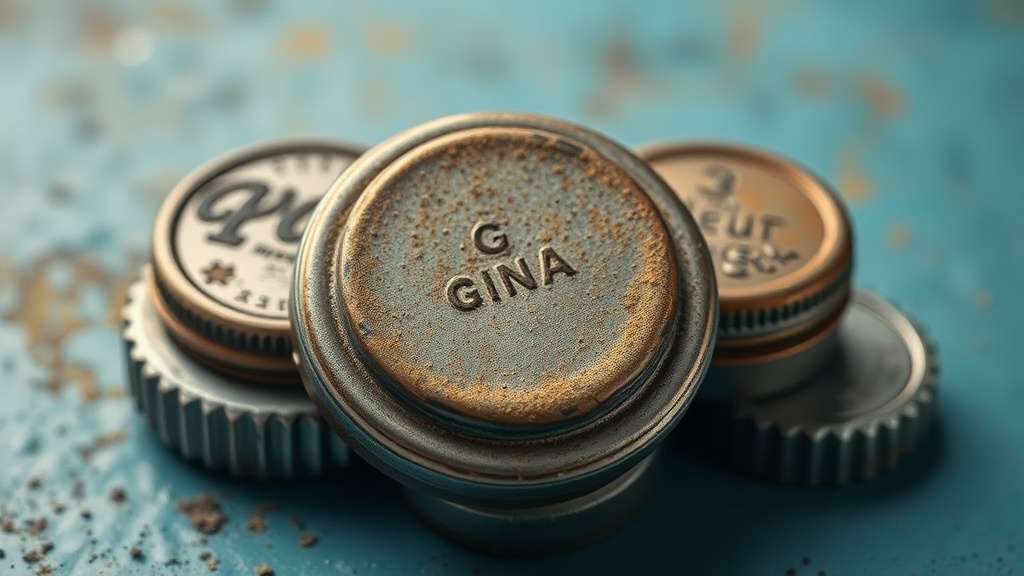
Removing Oxidation from Vintage Metal Caps

A dull, greenish-grey film sits heavily across the surface of a 1970s metal soda cap, masking the vibrant red and white graphics beneath. This is oxidation—the chemical reaction of metal meeting oxygen and moisture—and it’s the bane of every serious collector of vintage bottle caps and metal tokens. If you’ve ever pulled a piece from a dusty estate sale box only to find the luster gone, you know the frustration. This post explains exactly how to strip that oxidation away safely without ruining the collectible value of your pieces.
Whether you’re hunting for rare Coca-Cola bottle caps or vintage metal-topped vials, the goal is preservation. You want to see the original art, not a layer of corrosion. We'll look at the chemistry of why this happens and the specific tools you need to get the shine back.
How Do I Remove Oxidation from Metal Bottle Caps?
To remove oxidation from metal caps, you should use a mild acid solution, such as white vinegar or lemon juice, combined with a soft-bristled brush. This method works because the acid reacts with the metal oxide, breaking it down without the need for heavy scrubbing. For more stubborn, heavy-duty corrosion, a specialized metal polish like Simichrome is a professional-grade option that offers precision.
Before you dive in, you need to identify the metal. Most vintage caps are steel or aluminum-based, but some high-end collectibles might be brass or copper. A mistake here can lead to permanent pitting or surface damage. (I once saw a guy try to use a wire brush on a rare 1950s crown cap—it was a tragedy.)
The Step-by-Step Restoration Process
Don't rush this. If you go too fast, you'll end up with streaks. Follow this order of operations for the best results:
- Initial Cleaning: Wash the cap with warm water and a drop of mild dish soap to remove surface dirt and oils.
- The Acid Soak: Submerge the cap in a shallow dish of white vinegar. Let it sit for 10 to 20 minutes.
- Gentle Agitation: Use a soft toothbrush to gently scrub the areas where the oxidation is thickest.
- Neutralization: This is the part people forget. Rinse the cap thoroughly in a mixture of water and baking soda to stop the acid from eating the metal further.
- Drying: Pat the cap dry with a lint-free cloth. Never let it air dry, or you'll get water spots.
If the oxidation is particularly stubborn, you might need a mechanical approach. However, be careful with heat. Excessive heat can cause the paint or the printed graphics on the cap to bubble or peel. If the graphic is the most important part, stay away from heavy chemical strippers.
What Are the Best Materials for Cleaning Vintage Metals?
The best materials for cleaning vintage metal caps are non-abrasive liquids and soft-bristle tools that won't scratch the surface. You want to avoid anything that can leave a permanent mark on the patina or the printed artwork.
I've tested a few different methods over the years while building my own collection here in Burlington. Some things work, and some things are just dangerous. Here is a breakdown of what to use and what to avoid.
| Material/Tool | Best Use Case | Risk Level |
|---|---|---|
| White Vinegar | Light oxidation on steel/aluminum | Low |
| Lemon Juice | Small spots of copper/brass oxidation | Low |
| Simichrome Polish | High-end metal collectibles | Medium (Use sparingly) |
| Steel Wool | Heavy industrial rust removal | High (Will ruin graphics) |
| Microfiber Cloth | Final drying and polishing | Very Low |
If you are working with extremely rare items, like a limited edition metal token or a one-of-a-kind piece, you might want to consult a professional conservator. You can learn more about the science of metal degradation through resources like Wikipedia's entry on oxidation. It helps to understand that you aren't just cleaning a surface; you're managing a chemical state.
A Note on Patina vs. Oxidation
This is a big one for collectors. There is a massive difference between a "natural patina" and "destructive oxidation." A patina is a thin layer of oxidation that actually protects the metal and adds to the vintage character. It's often desired in certain metal collectibles. Oxidation, on the other hand, is the stuff that eats into the metal and destroys the value. If the surface feels rough or pitted, it's oxidation. If it's just a slight dullness, it might be a patina—and you might want to leave it alone.
Does Cleaning Metal Caps Reduce Their Value?
Cleaning metal caps can reduce their value if the process removes the original finish, the paint, or the structural integrity of the item. In the world of high-end collecting, "original condition" is often preferred over "shiny and restored."
This is the great debate in every collector's circle. If you have a rare 1930s metal cap, a collector might actually want the aged look. If you clean it until it looks brand new, you've essentially "over-restored" it. This can strip away the historical character that makes the piece valuable.
That said, if the item is covered in actual rust or grime that makes it look "gross" rather than "vintage," a light cleaning is usually acceptable. The key is subtlety. You want to remove the dirt, not the history. If you're unsure, try a "test patch" on the underside or the rim of the cap where the graphic doesn't exist. This is the safest way to see how the metal reacts to your chosen cleaner.
I always recommend keeping a log of what you do to your pieces. If I'm ever selling a piece from my collection, I want to be able to say, "I cleaned this with a mild vinegar soak," rather than leaving the buyer to wonder if I used harsh chemicals. Transparency builds trust in the collecting community.
The Risks of Chemical Cleaners
Many people reach for industrial-strength cleaners from a hardware store. Don't do it. Most of these products are designed for heavy-duty automotive use or construction. They are far too aggressive for a collectible metal cap.
- Bleach: Never use bleach. It is highly corrosive and will cause rapid deterioration.
- Acetone: This is great for removing certain adhesives, but it can melt certain types of vintage plastics or coatings.
- Sandpaper: Unless you are working on a piece that is purely structural and has zero graphics, avoid sandpaper. It creates scratches that are impossible to buff out.
If you're working with high-end metals, you might want to check out the guidelines provided by the American Institute for Conservation. They offer deep dives into how to handle delicate materials. It's a lot of reading, but it's better than accidentally ruining a piece you've spent years hunting for.
When you're done cleaning, the most important step is protection. Once the metal is clean and dry, you need to prevent the oxygen from getting back in. For many metal caps, a tiny amount of microcrystalline wax can provide a barrier. This keeps the shine and prevents the cycle of oxidation from starting all over again. It's a small step that makes a world of difference for the long-term life of your collection.
Steps
- 1
Assess the Surface Type
- 2
Prepare a Mild Cleaning Solution
- 3
Gentle Polishing Technique
- 4
Rinse and Dry Thoroughly