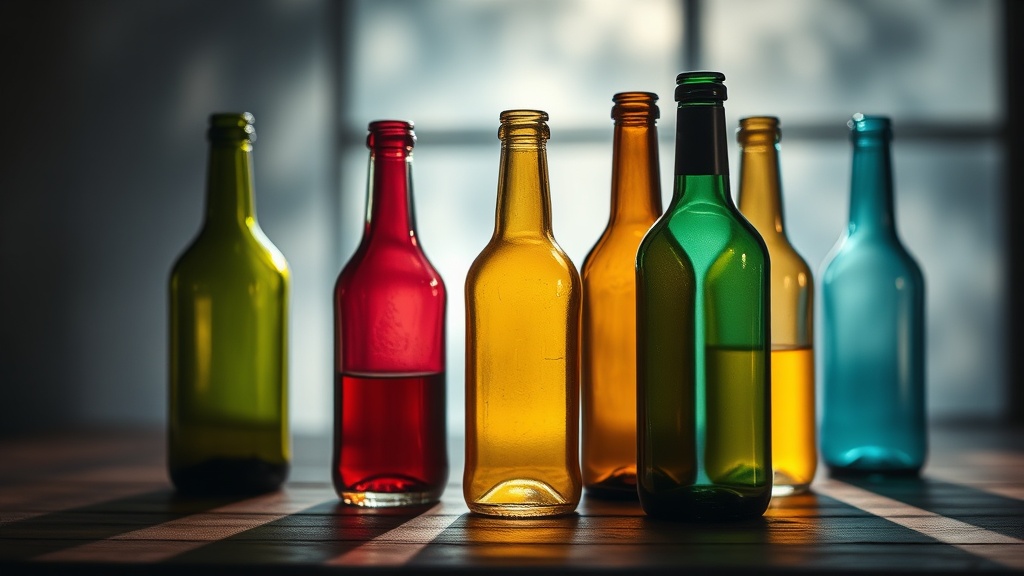
Why Glass Bottle Color Matters More Than You Think

The color of a bottle isn't just a design choice
Most people assume that a glass bottle's color is purely aesthetic—a way to make a brand look "vintage" or "premium." This is a mistake. In the world of bottle collecting, color is a primary indicator of chemical composition, historical manufacturing processes, and even the era in which the bottle was produced. If you're looking at a deep amber or a cobalt blue, you aren't just seeing a color; you're seeing the presence of specific minerals and metal oxides that were standard in certain decades. Understanding this distinction helps you separate a common soda bottle from a high-value historical specimen.
When you're hunting at estate sales or scouring antique malls, you might see a green glass bottle and assume it's just a standard seltzer or soda vessel. However, the specific shade of green can tell you if it was made using iron-rich sand or if it was a deliberate attempt at a luxury aesthetic. A light, translucent green often points to a different manufacturing era than the heavy, dark forest greens seen in mid-century industrial bottles. This distinction matters because it dictates the value and the historical context of the piece.
How do I identify the age of a colored glass bottle?
Identifying age through color requires a keen eye for detail. One of the most reliable ways to date a bottle is to look at the interaction between the glass and light. For example, many older glass bottles exhibit "striations"—thin, parallel lines within the glass—caused by the way molten glass was shaped before modern machinery took over. If a bottle has a deep, rich color but shows no signs of these imperfections, it's likely a much later production.
You should also look for the presence of bubbles, often called "seeds." In older glass, these bubbles are more common and often unevenly distributed. If you see a bottle with a vibrant blue hue that is perfectly clear and lacks any seed bubbles, you might be looking at a modern reproduction rather than a true antique. For more detailed research on glass production eras, you can check the resources at the Coryell Museum, which specializes in historical glass and ceramics.
| Color | Common Mineral Source | Typical Era |
|---|---|---|
| Cobalt Blue | Cobalt Oxide | 19th Century - Early 20th |
| Amber | Iron & Sulfur | Mid-19th Century - Present |
| Emerald Green | Chromium/Iron | Late 19th Century |
| Olive Green | Iron Oxide | Early 20th Century |
Does the color affect the shelf life of the contents?
This is a question often asked by collectors who also deal in the storage of liquids. The color of the glass was rarely a fashion statement; it was a functional necessity. Darker colors, particularly amber and cobalt, were used to protect the contents from UV rays. Light-sensitive liquids, like certain medicinal tonics or certain types of beer, require the protection that dark glass provides to prevent oxidation and spoilage. If you find a bottle with a very light, clear color, it was likely intended for a product that didn't require much protection from light, or for a product meant for immediate consumption.
Collectors often overlook this functional aspect, but it's a great way to verify authenticity. If a manufacturer claimed a product was highly light-sensitive but used clear glass, you might be looking at a modern imitation or a product that didn't follow the standard protocols of its time. This is where the history of the product meets the physics of the packaging. Even the thickness of the glass can vary based on the color and the intended protection level.
Can I clean colored glass without ruining the patina?
One of the biggest mistakes new collectors make is over-cleaning. When you're dealing with colored glass, especially if there is any internal residue or an external patina, you have to be careful. Some collectors try to use harsh chemicals to get that "perfect" shine, but this can actually damage the surface of the glass or strip away the historical character that gives the piece its value. A gentle soak in lukewarm water with a very mild, pH-neutral soap is usually enough for most glass bottles.
If the bottle has an internal coating or a specific mineral buildup, leave it alone. Attempting to scrub the inside of a narrow-neck bottle can lead to cracks or permanent scratching. Instead, focus on the external presentation. If you want to see more about the preservation of antique vessels, the American Glass Society offers extensive archives on the history and care of glass artifacts.
When you are out in the field, keep an eye out for those subtle color shifts. A bottle that looks "almost" black might actually be a very deep, dark purple—a sign of manganese in the glass. These tiny details are what separate a casual observer from a true collector. The more you study these shifts, the better your ability to spot a genuine piece of history. It isn't just about the shape or the label; it's about the very substance of the vessel itself.
Always remember that the color is a fingerprint of the time it was created. Whether it's the iron-heavy green of a vintage soda bottle or the deep, protective amber of an old medicinal vial, the color is a piece of data waiting to be read. Keep looking, keep studying, and don't let a simple color fool you into thinking a piece is common when it might actually be a standout specimen.