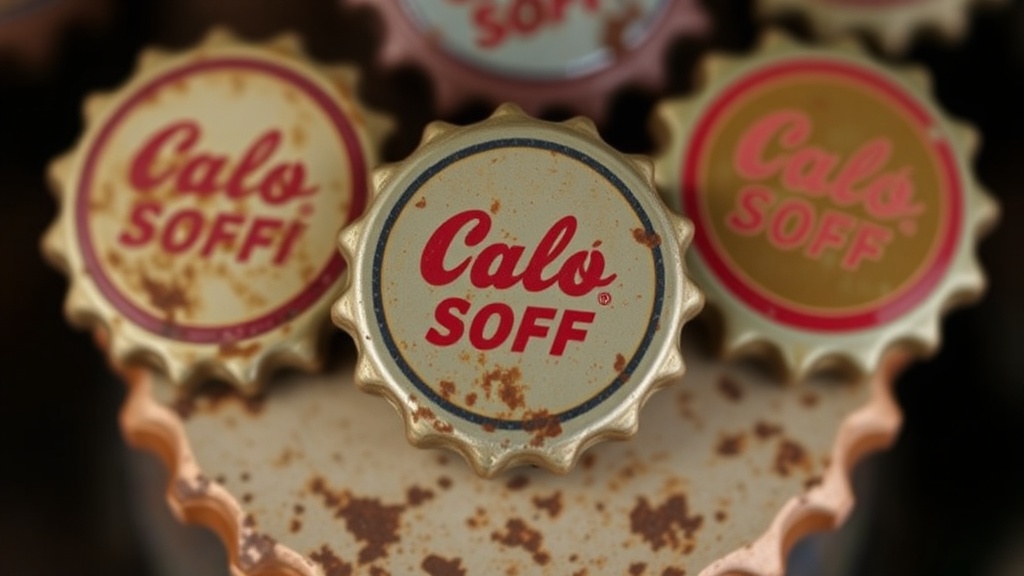
Why Do Some Vintage Bottle Caps Look Brand New While Others Rust Away?

Why is the condition of vintage metal so different?
Ever wondered why one bottle cap sits in a junk drawer looking like it was just pulled from a factory line, while another nearby is nothing but a pile of orange flakes? It isn't just luck. When you're hunting through bins at flea markets or scouring estate sales, you'll notice a massive spectrum of preservation. This variation comes down to the interplay between metal composition, the environment where the item spent its life, and how much care the previous owner took. Understanding these differences helps you spot a high-quality find before you even pick it up.
The primary reason for these discrepancies lies in the metal itself. During the mid-20th century, manufacturers experimented with different alloys to keep costs low. Some caps used heavier steel with a thick lacquer coating, while others used thinner, cheaper metals that were prone to rapid oxidation. If you find a cap that still has a slight sheen, you've likely found a piece with a high-quality protective coating. If it's pitted and rough, the base metal was likely unprotected or the coating failed long ago.
Environmental factors play a huge role too. A bottle cap found in a dry, climate-controlled attic will look vastly different from one pulled from a damp basement or a garden shed. Moisture is the enemy of vintage metal. Even a tiny amount of humidity can trigger a chemical reaction that eats away at the edges. This is why collectors often look for "shelf queens"—items that have been kept in stable, dry environments—to ensure their long-term value stays high.
How can you tell if a metal cap has been cleaned too aggressively?
One of the biggest mistakes a collector can make is over-cleaning. You'll often see people trying to scrub away rust or tarnish with harsh chemicals, but this can actually ruin the item's value. A professional collector knows that a little bit of patina is often better than a shiny, scratched-up surface. If you see a cap that looks incredibly bright but has tiny scratches or a "washed out" appearance, it's a sign that someone used an abrasive or a strong acid to clean it.
To check for aggressive cleaning, look at the edges and the recesses of the design. If the deep grooves are perfectly clean and bright, while the raised surfaces are dull, someone likely used a brush or a chemical to strip the surface. Real vintage patina should feel natural and even. If you're unsure about a piece, it's always safer to leave it alone. A bit of dullness is much better than a permanent scratch from a wayward piece of sandpaper.
For more on how metal aging works, you can check out the technical aspects of oxidation at Britannica. It's a fascinating look at how oxygen and moisture work together to change the physical properties of an object over time.
What are the best ways to store metal smalls to prevent rust?
Storage isn't just about where you put your items; it's about how you protect them from the air. If you leave your metal caps or small pins out on an open shelf, they are constantly being attacked by the atmosphere. Even if you don't see a problem now, the humidity in the air is always working. To prevent this, you need to control the environment. Many serious collectors use airtight display cases or even silica gel packets to keep moisture at bay.
- Use Airtight Containers: Glass jars or acrylic cases are great, but make sure they are truly sealed.
- Avoid Humidity: Never store your collection in a basement or a garage. These areas have much higher moisture levels.
- Microcrystalline Wax: Some collectors apply a very thin layer of high-grade wax to protect the surface from air exposure.
- Temperature Stability: Drastic changes in temperature can cause metal to expand and contract, which might crack old lacquer or coatings.
If you want to see how different materials react to different environments, the Library of Congress has incredible historical archives that show how various materials were manufactured and preserved throughout history.
The impact of light and heat on coatings
It isn't just moisture that causes problems. Heat and light can also degrade the coatings on vintage caps and small metal items. If a piece has a painted or lacquered surface, intense UV light can cause that coating to become brittle and flake off. Once the coating flakes, the metal underneath is exposed to the air, leading to rapid rusting. This is why a display case with UV-protected glass is a smart investment for anyone with a serious collection.
Think about the items you've found that look almost "too good to be true." Often, these are the pieces that were kept in dark, cool drawers for decades. The lack of light prevented the paint from fading, and the lack of heat prevented the metal from expanding. This kind of stability is what separates a mediocre find from a museum-quality piece. When you're out hunting, look for signs of how an item was stored—even the packaging can tell you a story about its past life.
As you build your collection, remember that every piece has a history. A rusted cap tells a story of a life spent outdoors or in a damp corner, while a pristine one tells a story of careful preservation. Both have value, but knowing the difference helps you manage your expectations and your budget. Don't be afraid of a little rust, but don't let it become a problem by neglecting your storage methods. A little bit of foresight goes a long way in keeping your small collectibles looking great for years to come.