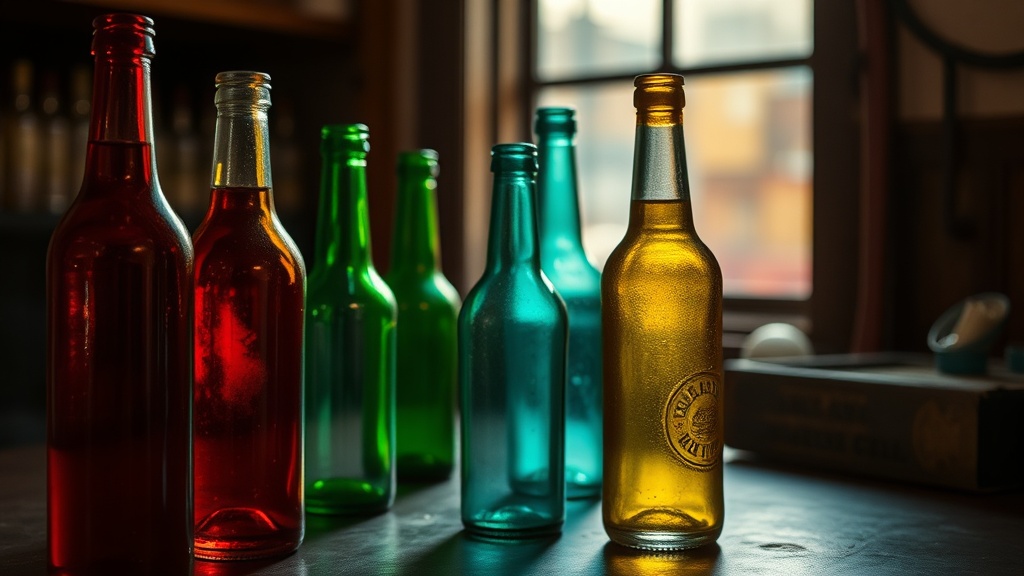
Why Certain Vintage Bottle Colors Command Higher Prices

An estimated 70% of collectors prioritize color rarity over manufacturer pedigree when assessing the value of a glass specimen. While a brand name might carry weight, it's the specific hue and opacity of the glass that often determines if a piece sits in a bargain bin or a high-end auction. Understanding the physics of glass coloration—how minerals and temperature affect the final look—is the only way to truly value a collection. This post covers the relationship between chemical additives, historical manufacturing processes, and market demand.
Is glass color a reliable indicator of age?
It's a common misconception that a certain color automatically means an item is older. While certain colors like cobalt blue or deep amber were popular during specific eras, color is often a result of the impurities present in the raw materials used during production. For instance, iron impurities in sand naturally create a green tint, which is why many old medicine bottles have that distinct "aqua" or "forest green" look. If you're hunting for older pieces, don't just look for color; look for the imperfections that the color hides.
Collectors often find that the most striking colors—like deep amethyst or vibrant turquoise—are actually more recent developments or the result of specific, intentional mineral additions. If you see a piece of glass that looks almost too perfect in its color saturation, it might be a modern reproduction. You can check historical manufacturing standards through resources like the Antique Bottle Collector community to see how color profiles evolved over the decades.
The most sought-after pigments in the collector market
When you're scanning a shelf at a local shop, look for these three specific color profiles that tend to move the needle on value:
- Cobalt Blue: Often used for medicine or high-end bitters bottles. The presence of cobalt is a sign of high-quality manufacturing and is highly desirable.
- Amber: This wasn't just a style choice; amber glass was used to protect light-sensitive liquids from UV rays. It's a functional color that has high historical value.
- Aqua/Light Green: These are ubiquitous in the 19th century due to iron impurities, but certain rare shades of teal can still command a premium.
A collector's eye shouldn't just see a color; it should see the history of the chemical reaction. A slightly "muddy" color often tells a story of a specific batch of sand or a furnace temperature spike—details that serious collectors love to document.
How do impurities change the value of a bottle?
In many industries, an impurity is a failure. In the world of vintage glass, an impurity is a fingerprint. A slight swirl of a different color or a streak of yellow in a green bottle can actually prove the authenticity of a hand-blown piece. If a bottle is perfectly uniform, it's likely machine-made. If it has subtle color shifts, it's a sign of the natural, somewhat chaotic process of traditional glass blowing.
It's important to distinguish between a "manufacturing flaw" and a "desirable variation." A flaw might be a bubble or a crack, but a color variation is often a sign of a unique production run. For those interested in the chemical composition of glass, the Chemistry of Glass studies provide a deep look at how metal oxides change the visual properties of silica. This knowledge helps you differentiate between a cheap modern glass piece and a genuine antique with character.
The Impact of Light on Color Preservation
One thing I've seen many collectors get wrong is the way they display their colored glass. You might think a bright red bottle looks great under a spotlight, but intense light can actually cause certain pigments to fade or shift over decades. This is especially true for certain types of colored glass that rely on organic dyes or unstable mineral pigments. Always keep your collection away from direct sunlight to ensure the colors stay as vibrant as the day you found them.
Why is certain colored glass rarer than others?
Rarity isn't just about how many exist; it's about the cost of the materials used to create that color. Producing a deep, consistent purple requires much more cobalt or manganese than producing a standard green. Because these minerals were expensive, fewer manufacturers used them, creating a natural scarcity in the market. This is why a cobalt blue bottle often fetches a higher price than a standard clear or brown one from the same era.
When you're out at a flea market, don't just look for the most colorful item. Look for the colors that seem "out of place." A bright, saturated color in an era where colors were muted usually indicates a specialty item or a very high-end production. This can be your signal to pay closer attention. The more difficult a color was to achieve with the technology of the time, the more it's worth to a dedicated collector.
Keep in mind that a "perfect" color isn't always the goal. In the world of small collectibles, the most valuable pieces often have a certain "soul"—a hint of the human element in the color and shape. Whether it's a slightly off-center tint or a streak of unexpected hue, these are the details that make a piece truly special.