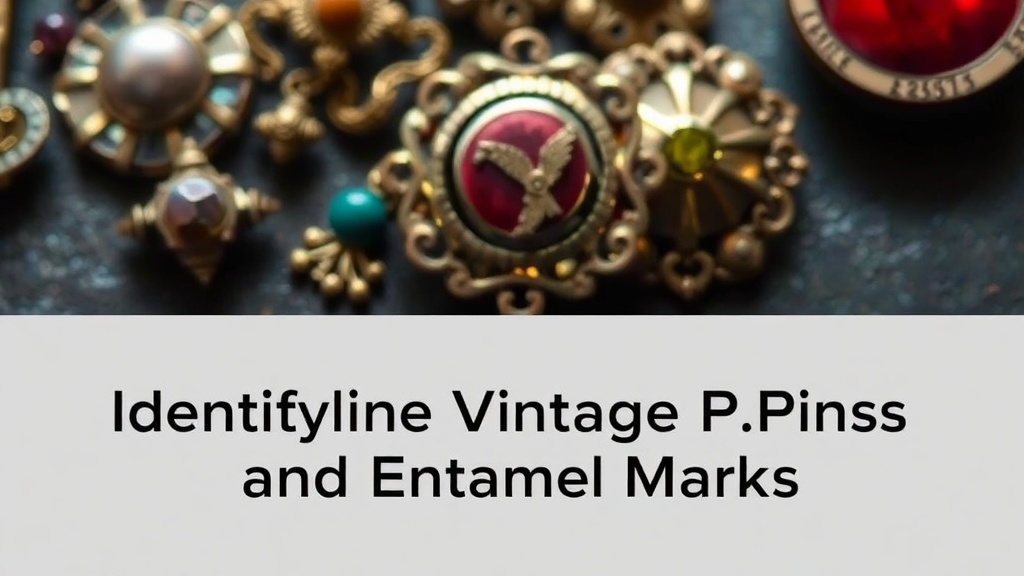
Identifying Authentic Vintage Metal Pins and Enamel Marks

Why Metal Composition Matters to Collectors
A single misplaced millimeter of metal or a slightly off-shade of enamel can differentiate a museum-quality piece from a modern reproduction. Collectors often overlook the chemical makeup of their items, yet the metallurgical signature of a pin is its true DNA. Understanding these signatures isn't just about being a pedant—it's about protecting your investment and respecting the history of the makers.
When you're looking at a vintage piece, you're looking at more than just a decorative object. You're looking at the industrial standards of a specific era. The transition from hand-painted enamel to stamped metal reflects shifts in global manufacturing. If you can't tell the difference between a nickel-plated brass base and a pure copper foundation, you might end up paying premium prices for much lower-quality items.
This guide covers the specific markers of high-quality vintage metalwork, from backstamp recognition to identifying the subtle signs of aging that actually prove authenticity. We'll look at the physical properties that distinguish genuine vintage pieces from modern imitations.
How do I identify a genuine vintage metal pin?
The first thing you should do is grab a magnifying glass—not a jeweler's loupe, just a decent, clear lens. You need to look at the back of the pin. Most high-quality vintage pieces have a maker's mark or a specific manufacturer's stamp. If the back is completely smooth and featureless, it might be a modern, mass-produced piece rather than a historical artifact.
- The Weight Test: Genuine vintage metal tends to have a certain heft. If a piece feels suspiciously light, it's likely a thin, modern alloy or even a plastic imitation with a metallic coating.
- The Backstamp: Look for names like Klaxon, Disney, or specific military insignias. A clear, stamped name is a good sign. If the name looks printed or etched poorly, proceed with caution.
- The Pin Backing: Examine the clutch or the fastener. Older pins often used different mechanisms than the standard butterfly clutches we see today.
For more technical details on metal purity and historical-grade materials, you might want to consult the