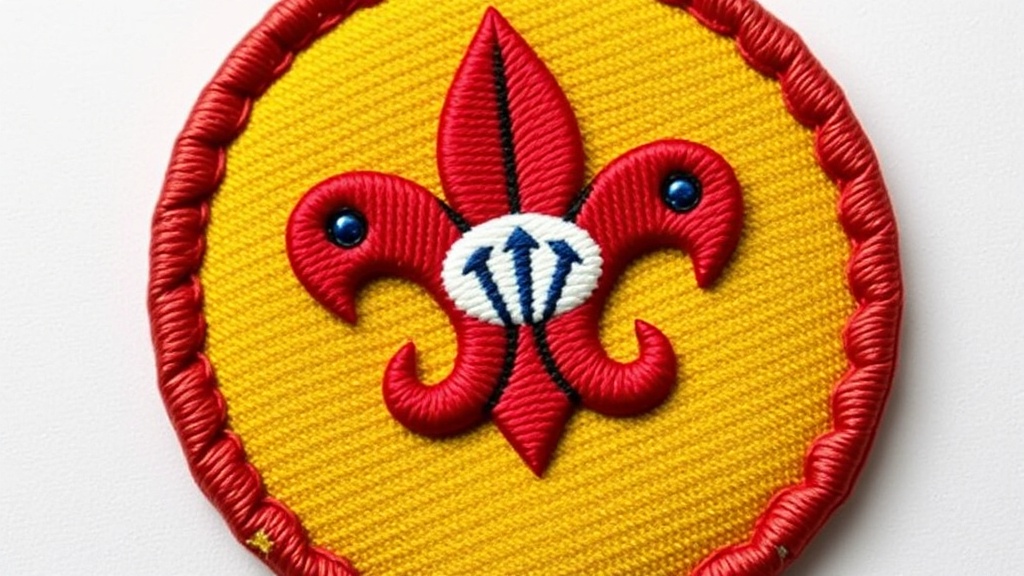
10 Most Iconic Scout Badges Every Collector Should Know About

The Original 1911 Camping Merit Badge
The Rare 1938 Beekeeping Badge
The Discontinued Pathfinding Badge
The Iconic Eagle Scout Medal
The Limited-Edition Jamboree Patches
Scout badges represent more than cloth and thread—they're snapshots of outdoor history, craftsmanship, and youth movements that shaped generations. This post breaks down ten of the most recognizable and sought-after scout badges in the collecting world, explains what drives their value, and shows you what to look for before making a purchase. Whether you're building a focused collection or just curious about what's worth keeping, these are the badges that consistently top want lists.
What makes a scout badge iconic to collectors?
An iconic scout badge typically combines scarcity, historical significance, and strong visual design. The catch? Not every old badge commands attention. Pieces tied to major events—like World Jamborees or high-rank achievements—tend to carry the most weight. Collectors also gravitate toward badges with manufacturing quirks: die-cut edges, silk-screened details, or odd shapes that set them apart from mass-produced patches.
Are vintage Boy Scout badges worth collecting?
Yes, many vintage Boy Scout badges hold steady value and some appreciate significantly over time. Early 20th-century rank badges, limited-run camp patches, and international jamboree pieces regularly sell for $50 to $500, with rare examples crossing into four figures. That said, condition matters enormously—a torn badge with missing embroidery might be worth a fraction of what a mint example fetches.
1. Eagle Scout Badge
The Eagle Scout badge sits at the top of American scouting iconography. First awarded in 1912, this silver medal (and its cloth counterpart) represents the highest achievement in the Boy Scouts of America. Early variants—especially those made by Robbins Co. or Dieges & Clust—feature heavier silver content and finer detail than modern reproductions. Collectors obsess over the back stamps, ribbon condition, and whether the original pin clasp remains intact. You'll find these at estate sales and auction houses, but prices have climbed steadily as fewer vintage examples surface.
2. Order of the Arrow Lodge Flaps
Lodge flaps from the Order of the Arrow—scouting's national honor society—form one of the deepest specialty niches in the hobby. Each local council issues its own flap designs, and some early issues number fewer than fifty pieces. The obsession here is real: collectors catalog thousands of variations, tracking border colors, ghost images, and thread shades. A first-issue flap from a dissolved lodge can sell for hundreds. The hunt never really ends because new designs release annually.
3. Philmont Scout Ranch Bull Patch
Philmont's walking bull logo is instantly recognizable to anyone who's trekked northern New Mexico's Sangre de Cristo Mountains. The ranch has issued dozens of bull-themed patches since the 1950s, with early embroidered versions among the most desirable. These aren't just souvenirs—they're proof of high-adventure participation. Older bull patches with the "PSR" rocker or narrow border stitching often trade for $75–$200 depending on condition. Here's the thing: reproductions exist, so check the backing material and thread density before buying.
4. World Scout Jamboree Patches
World Jamborees bring together scouts from across the globe, and the participant patches serve as physical proof of that international fellowship. The 1929 Arrowe Park Jamboree badge from the UK is the holy grail—genuine examples fetch thousands. More accessible (but still prized) are patches from the 1967 Jamboree in Idaho and the 1975 event in Norway. Each host nation designs its own look, so you'll see everything from woven shields to shaped plastic badges. They're colorful, conversation-starting pieces that display beautifully on a felt board.
5. Pioneer Scout Proficiency Badge (UK)
Before the Boy Scouts of America took shape, Robert Baden-Powell's original UK program set the template. Early British proficiency badges—especially the circular "Pioneer" issue with its crossed axe and pick—carry serious historical weight. Made from wool felt with cotton embroidery, these pre-1920 pieces show their age through fading and moth nibbles. Worth noting: collectors generally accept minor age wear on pieces this old, but large holes or replaced backing will tank the price. A decent Pioneer badge often runs $150–$400.
6. Wood Badge Beads and Neckerchief
Wood Badge isn't a youth award—it's adult leader training, and its twin wooden beads on a leather thong date back to Baden-Powell's inspiration from Zulu chief Dinizulu. The neckerchiefs, patches, and course beads associated with Wood Badge form a strong collecting category on their own. Early American Wood Badge beads from the 1930s and 1940s were hand-carved and vary slightly in shape. Complete sets with the original neckerchief and patch command the strongest prices. Replicas flood the market, so provenance helps enormously.
7. First Class Rank Badge (Type 1)
The square, embroidered First Class badge used from 1911 to 1927—often called the "square" or "Type 1"—is a cornerstone of BSA rank collecting. Unlike later rectangular versions, this early issue features a boxy shape with the scout sign and star on a tan background. Examples with the "BS of A" back stamp carry a premium. Because every scout had to earn First Class, these weren't rare when issued, but surviving examples in unworn condition are surprisingly scarce. Expect to pay $100–$300 for a nice one.
8. Silver Buffalo Award
This isn't a badge most scouts ever touch. The Silver Buffalo is the BSA's highest commendation for adult service to youth, and the medal itself is striking—a silver buffalo suspended from a red-and-white ribbon. Only a few thousand have been awarded since 1926. When these hit the secondary market (usually from family estates), they generate immediate buzz. The medal comes in a presentation case with a certificate, and complete sets are worth significantly more than the medal alone.
9. Scoutmaster's Key
The Scoutmaster's Key recognized trained adult leaders who met rigorous unit-performance standards. The original 1927 design features a skeleton key suspended from a ribbon, and it's far more visually interesting than most adult awards. Collectors like these because they represent the backbone of local scouting—dedicated volunteers who kept troops running through the Depression and both World Wars. Prices remain relatively reasonable compared to the Silver Buffalo, making this a smart entry point for collectors interested in adult scouter memorabilia.
10. Camp Emerald Bay Staff Patch
California's Camp Emerald Bay on Catalina Island has produced some of the most inventive and colorful camp patches in scouting. The staff issues—distinguishable by their larger size and "STAFF" rocker—are particularly collectible. Designs from the 1960s and 1970s feature diving helmets, flying fish, and art deco Catalina Casino imagery. They're fun. That said, the best pieces rarely stay on eBay long. Collectors who specialize in California council patches know these sell fast, so setting up saved searches is smart if this is your target.
How can you tell if a scout badge is authentic?
Authentic scout badges usually show consistent stitching, correct color matching, and period-appropriate backing materials. The catch? Reproductions have grown sophisticated. Always compare suspect pieces against documented examples from reference books or established collector guides. Check the edges—vintage embroidered badges often have slightly irregular stitching compared to laser-cut modern fakes. Smell matters too; old wool and cotton carry a distinct attic dust scent that polyester reproductions lack.
| Badge | Era | Typical Price Range | Rarity |
|---|---|---|---|
| Eagle Scout Medal (Robbins) | 1912–1950s | $200 – $2,000+ | Moderate to Rare |
| OA First Issue Flap | 1950s–1960s | $100 – $800 | Varies by Lodge |
| Philmont Bull Patch | 1950s–1970s | $75 – $200 | Uncommon |
| 1929 World Jamboree Badge | 1929 | $1,500 – $5,000+ | Very Rare |
| Type 1 First Class Rank | 1911–1927 | $100 – $300 | Moderate |
| Silver Buffalo Award | 1926–present | $500 – $2,500 | Rare |
Building a scout badge collection doesn't require deep pockets—though it certainly helps. Start with what interests you: rank badges, camp patches, international pieces, or adult awards. Focus on condition, buy from reputable dealers, and don't be afraid to ask questions in collector forums. The community around scout memorabilia is welcoming, and most veteran collectors are happy to share what they've learned. There's always another flea market table, estate sale box, or online auction hiding the next great find. Happy hunting.